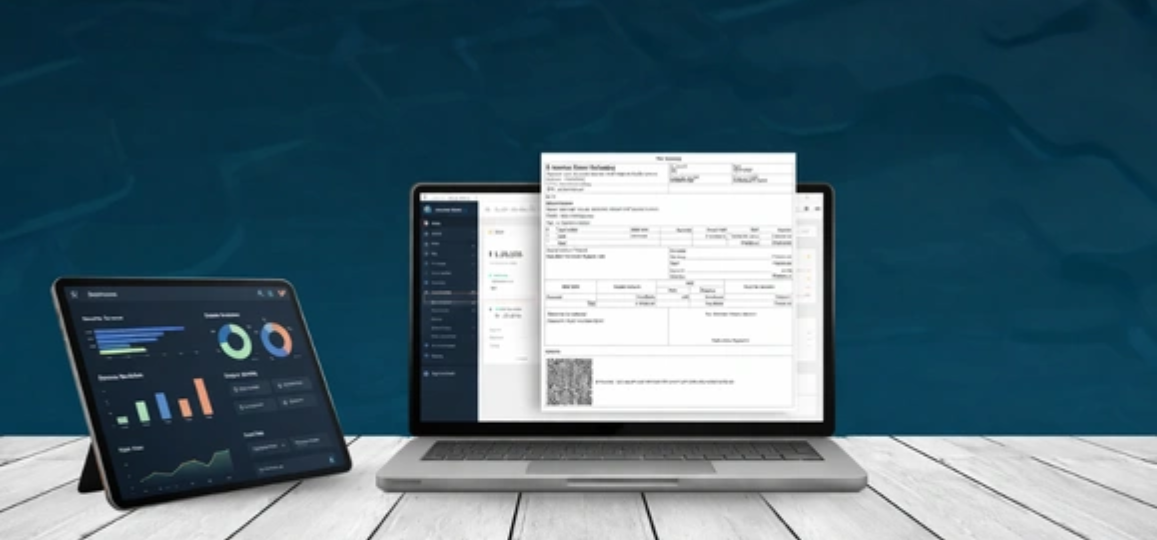

How to Become ZATCA Compliant: Step-by-Step for Saudi Companies
A simple guide to help Saudi businesses meet ZATCA e-invoicing requirements with clarity and confidence. Learn the key steps for Phase 1 and Phase 2 compliance and avoid costly mistakes.
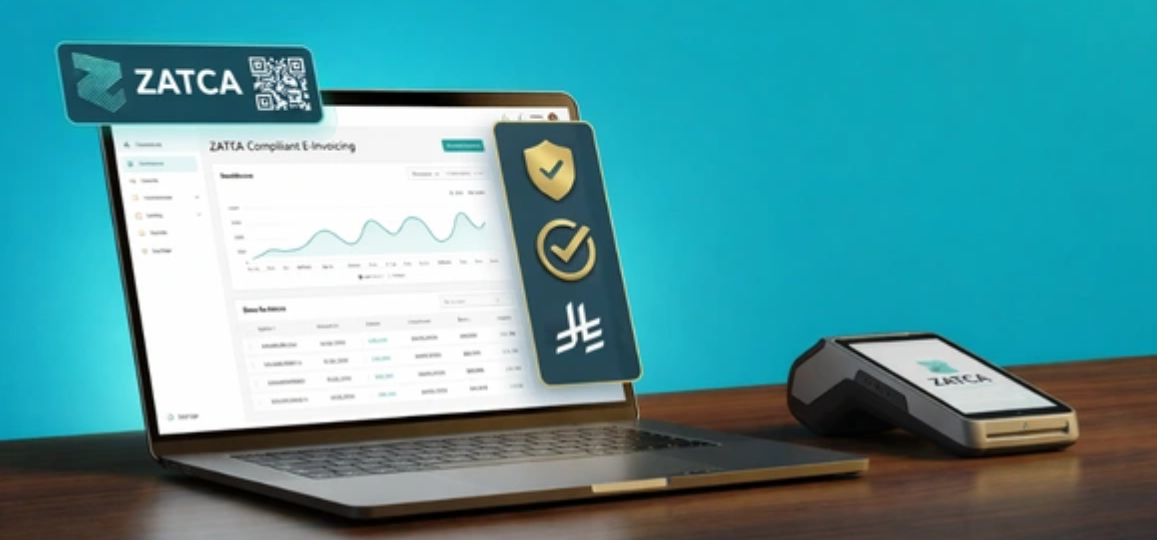
How to Become ZATCA Compliant: Step-by-Step for Saudi Companies
Compliance is no longer optional for businesses operating in Saudi Arabia. With the introduction of e-invoicing regulations, the Zakat, Tax and Customs Authority (ZATCA) has set clear rules to improve transparency, reduce tax evasion and modernize business operations.
For many companies, the idea of becoming ZATCA compliant may sound complex. In reality, when you follow the right steps and use the right systems, compliance becomes simple and manageable. This guide explains the ZATCA compliance process step by step, in clear and practical terms
What Does ZATCA Compliance Mean?
ZATCA compliance mainly refers to following Saudi Arabia’s e-invoicing regulations. Businesses must issue, store and report invoices electronically in a format approved by ZATCA.
The regulation is being implemented in phases to help companies transition smoothly. These rules apply to most VAT-registered businesses, including SMEs and large enterprises.
Being ZATCA compliant means:
Issuing invoices in the correct electronic format
Including mandatory invoice fields
Using approved systems
Reporting invoices securely and accurately
Step 1: Understand Whether ZATCA Applies to Your Business
The first step is to confirm if your business is required to comply. ZATCA e-invoicing applies to:
VAT-registered businesses in Saudi Arabia
Companies issuing tax invoices, simplified invoices, or credit/debit notes
If your company issues invoices to customers, compliance is required. Ignoring this step may lead to penalties or operational issues later.
Step 2: Learn the ZATCA E-Invoicing Phases
ZATCA introduced e-invoicing in two main phases. Understanding which phase applies to your business will help you plan your compliance journey correctly.
Phase 1 – Generation Phase
Businesses must generate invoices electronically instead of handwritten or scanned invoices.
Invoices must include required fields such as QR codes, VAT details, and timestamps.
Phase 2 – Integration Phase
Businesses must integrate their invoicing systems directly with ZATCA’s platform.
Invoices are reported in real time or near real time, depending on invoice type.
Understanding which phase your business falls under helps ensure proper implementation and avoids compliance risks.
Step 3: Choose a ZATCA-Compliant ERP or Invoicing System
This is the most important step in your compliance journey. Your invoicing or ERP system must fully support ZATCA requirements. Manual billing methods or basic accounting tools are no longer sufficient.
A ZATCA-compliant system should:
Generate invoices in XML format
Add QR codes automatically
Store invoices securely
Support API integration with ZATCA
Handle VAT calculations correctly
Working with a trusted technology partner like TADEED Strategic Services ensures your ERP or invoicing system is properly configured from the beginning, helping you avoid compliance risks and technical issues.
Step 4: Update Your Invoice Format and Business Processes
ZATCA requires specific invoice fields to ensure compliance and accuracy. Your invoice format must include:
Seller and buyer details
VAT registration number
Invoice date and time
Taxable amount and VAT amount
QR code for simplified invoices
Your internal billing, finance, and approval workflows may also require updates. This ensures invoices are created correctly every time without manual corrections.
Step 5: Register and Prepare for ZATCA Integration
For Phase 2 compliance, businesses must register their systems with ZATCA and prepare for technical integration. This includes:
Generating cryptographic keys
Registering devices or invoicing systems
Testing invoice submission
This technical step ensures secure communication between your invoicing system and ZATCA. With expert guidance, integration becomes smooth and stress-free.
Step 6: Test, Validate, and Go Live
Before moving into full production mode, thorough testing is essential. Testing ensures:
Invoices are generated correctly
QR codes function properly
Data is transmitted securely
Errors are detected and resolved early
Once testing is successful, your system can move to live compliance mode. This significantly reduces the risk of penalties or operational disruptions.
Step 7: Train Your Team and Monitor Compliance
Compliance is an ongoing responsibility. Your finance and operations teams should understand how the invoicing system works and how to maintain accuracy. Regular monitoring helps:
Identify errors early
Stay updated with regulation changes
Maintain accurate and compliant records
A well-trained team ensures long-term compliance, operational efficiency, and confidence in your invoicing processes.
Benefits of Being ZATCA Compliant
ZATCA compliance is not just about avoiding penalties. It also offers real business benefits:
Faster and more accurate invoicing
Better financial visibility
Improved trust with customers and authorities
Stronger digital foundation for growth
Companies that adopt compliance early gain a competitive advantage and are better prepared for future digital regulations.
Final Thoughts
Becoming ZATCA compliant may seem challenging, but when broken into clear steps, it becomes achievable. With the right system, proper planning and expert support, Saudi companies can meet compliance requirements confidently.
ZATCA compliance is a key part of modern business operations in Saudi Arabia. By acting early and following the right approach, businesses can stay compliant, efficient and ready for long- term growth.
Recent Post